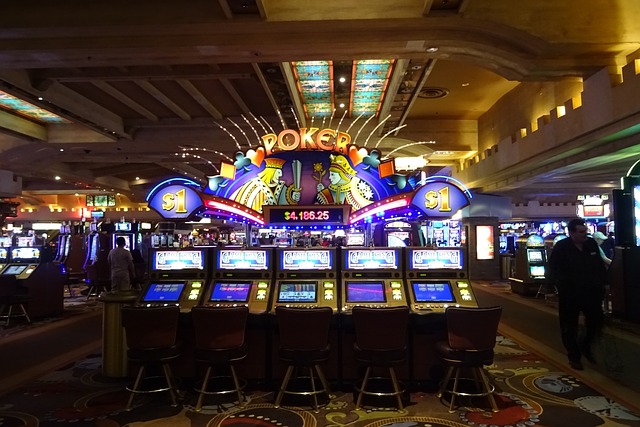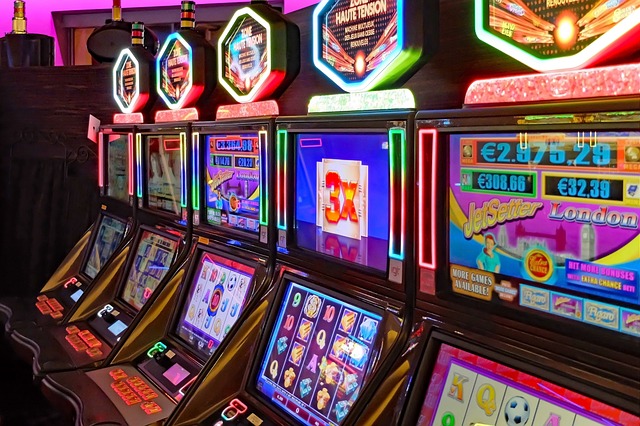
A casino doesn’t overwhelm the senses. It directs them. The lights are constant, but never random. The sound is layered, but always rhythmic. Each machine, each table, each screen pulls focus into a small, contained space. Nothing asks for deep thought. Everything asks for attention—repeatedly, gently, without interruption.
This is how casinos work. Not through deception, but through controlled focus. They shrink the user’s awareness, not through force, but through structure. Platforms like HellSpin casino reproduce this effect digitally, removing even the minor distractions that physical spaces sometimes allow. In both settings, the goal is simple: attention held, decision loops preserved.
What begins as casual interest soon becomes directed engagement. The system requires nothing more than your presence—then ensures you stay.
Repetition Without Resistance
Repetition is often mistaken for boredom. In casinos, it serves another function. It builds familiarity. The user learns quickly: click, spin, watch. These loops are short, clean, and self-contained. There is no room for doubt, no time for reflection.
Over time, repetition becomes comfort. The motion is predictable. The outcome is always just uncertain enough. Players don’t need to question the rules. They know them. They feel them. This removes friction. It also removes perspective.
The loop does not encourage exit. It rewards return.
Cognitive Compression and Temporal Dislocation
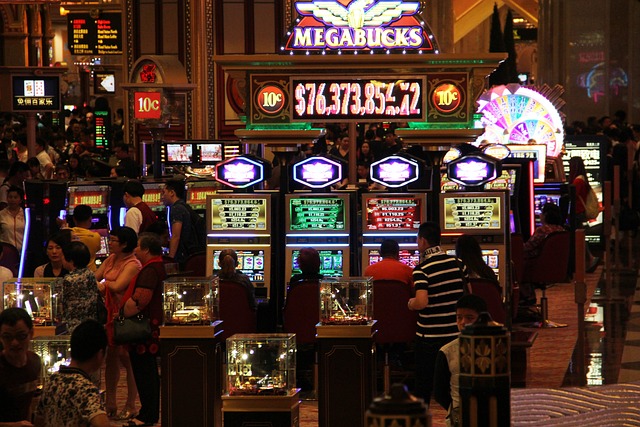
The repetition embedded in casino systems doesn’t merely encourage engagement—it actively reshapes cognitive processing. As tasks become habitual, the brain begins to compress sequences of action into intuitive responses. This neurological efficiency, while adaptive, also disrupts the player’s perception of time. Actions blend. Intervals shrink. Sessions elongate without registering as such.
This temporal dislocation is not accidental—it is central. When each event is rendered familiar and frictionless, the surrounding duration becomes indistinct. Time, stripped of variation and contrast, ceases to serve as a reference point. What remains is the loop—continuous, fluid, and unexamined.
The Absence of Contrast
Outside the casino, the world is varied. Light changes. Tasks shift. Conversations move. Inside the casino, variation is minimized. The rhythm flattens. Time becomes less marked. Sound masks transitions. Screens blur the distinction between moments.
This creates a form of sensory uniformity. It doesn’t dull the user—it narrows them. The brain adapts to the environment, accepting sameness as normal. The outside world fades, not because it is blocked, but because it becomes irrelevant.
Even in digital spaces, this effect holds. Interfaces reduce clutter. Offers appear at timed intervals. Nothing arrives too soon or too loudly. The experience feels seamless because it is engineered to be smooth. And smoothness is a form of control.
Minimal Loss, Managed Emotion

Large losses break focus. So do large wins. Casinos prefer control. The systems favor small movements—minor gains, minor setbacks. These maintain engagement without activating extremes.
Emotion is not absent. It is regulated. The system allows for hope, frustration, even excitement. But always within range. This ensures the user continues. The goal is not intensity. It is duration.
Every click, every spin, is one more unit of time given to the system. That time is the real currency.
Emotional Calibration Through Interface Logic
Emotions within the casino context are not left to chance; they are conditioned through interface logic. Every visual cue, audio signal, and transition effect is calibrated to produce manageable affective responses. Colors shift gradually. Animations reward minimal progress. Sound design avoids dissonance. Together, these elements suppress erratic highs and lows, cultivating a consistent emotional baseline conducive to repeated interaction.
Rather than offering raw stimulation, the system offers stability—framed as engagement. This predictability lowers cognitive load and reduces volatility in user behavior. Emotional extremes, which might trigger exit or pause, are replaced with measured fluctuations. The user remains within range.